
FUBLUC: Bladderwrack (Fucus spp.) as a blue carbon carbon sink in the Baltic Sea
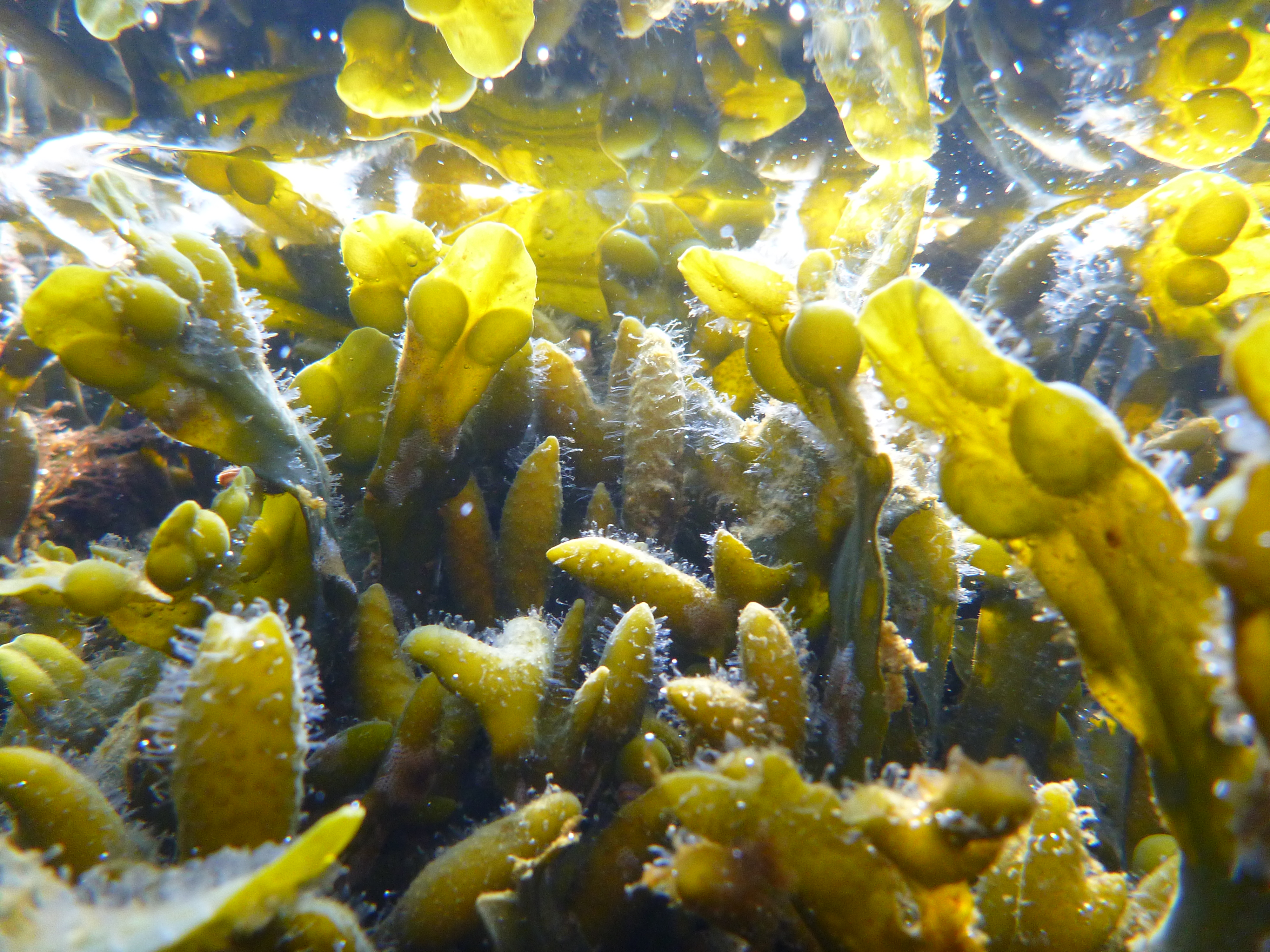
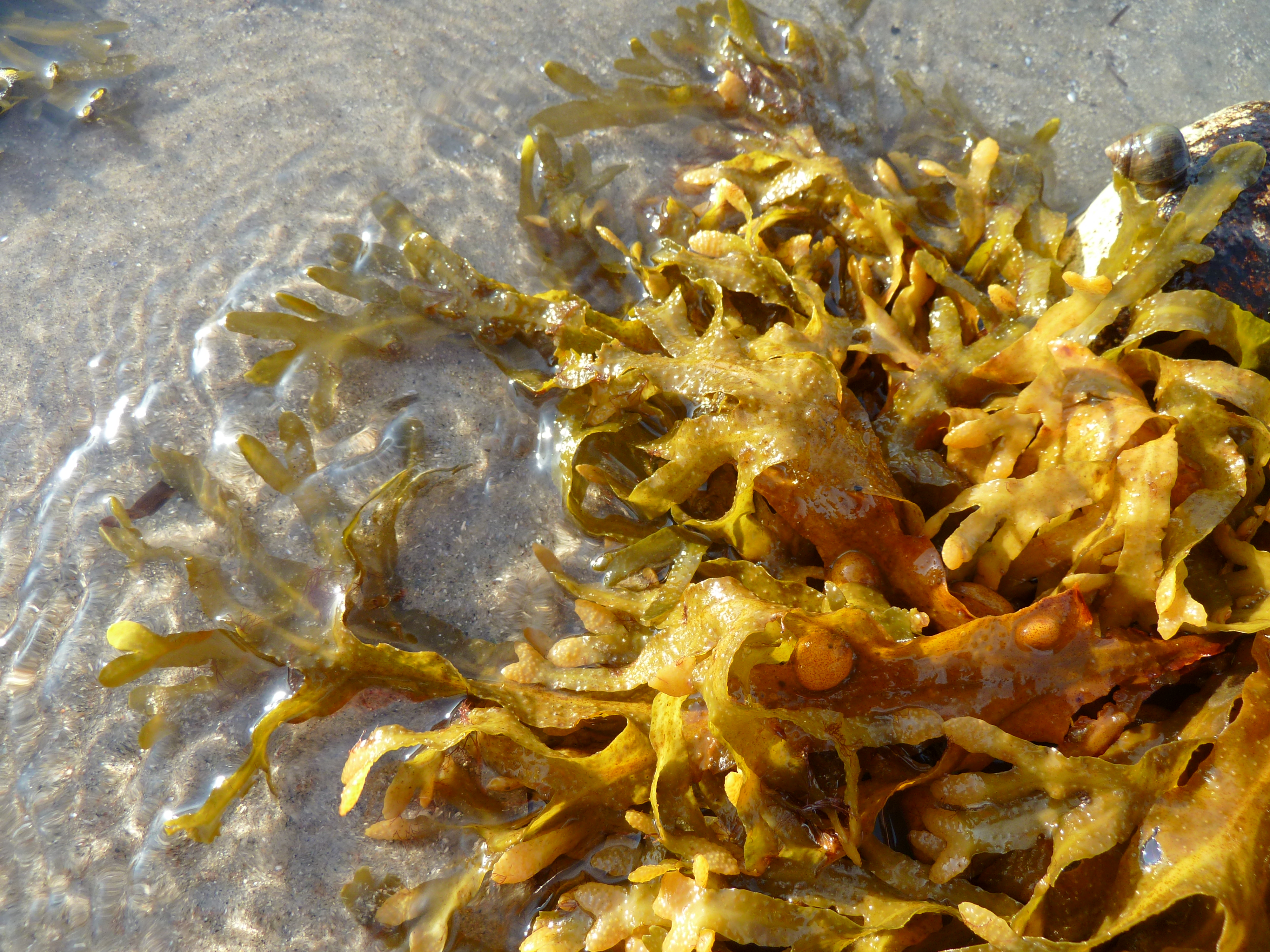
Bladderwrack (Fucus) meadows are biodiversity hotspots and play an important role in binding CO2 from the atmosphere. The FUBLUC project aims to estimate how effectively bladderwrack can remove carbon from the atmosphere over longer periods of time by storing it in its biomass on the one hand and releasing it into seawater in a form that is difficult to degrade on the other. FUBLUC will also assess how bladderwrack populations in the southern Baltic Sea will be affected by climate change in the future and whether evolutionary biology methods can be used to make populations more resilient. In addition, the project will investigate how resilient bladderwrack is or can be made to climate change, e.g., through assisted evolution, aquaculture approaches, and renaturation.
The project is being carried out as part of the Federal Action Plan on Nature-based Solutions for Climate and Biodiversity (ANK) (Federal Agency for Nature Conservation).
Project details
A precise carbon analysis of bladderwrack is to be carried out. To this end, an investigation of the dissolved organic carbon (DOC) released into the sea by bladderwrack will be conducted. In addition, the biomass will be estimated to determine how much of the carbon can be bound in the long term (e.g., in sediments, deep water).
The laboratory experiments will be carried out under precisely defined abiotic conditions (oxygen, salinity, temperature, light) with Fucus thalli and are intended to provide data on the variability of DOC excretion, in particular of fucoidan. This will be investigated over the course of the year and in different bladderwrack populations.

Responsible persons
Martin Ladner (Applied Ecology and Phycology, University of Rostock)
Dr. Angelika Graiff (Applied Ecology and Phycology, University of Rostock)
Prof. Dr. Ulf Karsten (Applied Ecology and Phycology, University of Rostock)
Supported by Dr. Kiara Franke (Aarhus University, Dänemark)
Applicants
Prof. Ulf Karsten und Dr. Angelika Graiff
Funding
Bundesministerium für Umwelt, Klimaschutz, Naturschutz und nukleare Sicherheit (BMUKN) / Ministerium für Energiewende, Landwirtschaft, Umwelt, Natur und Digitalisierung (MEKUN)
Funding Period
2025 – 2027
Cooperation partners
Christian-Albrechts-Universität Kiel (CAU)
Helmholtz-Zentrum für Ozeanforschung Kiel (GEOMAR)
Landesamt für Umwelt des Landes Schleswig-Holstein (LfU)