Research
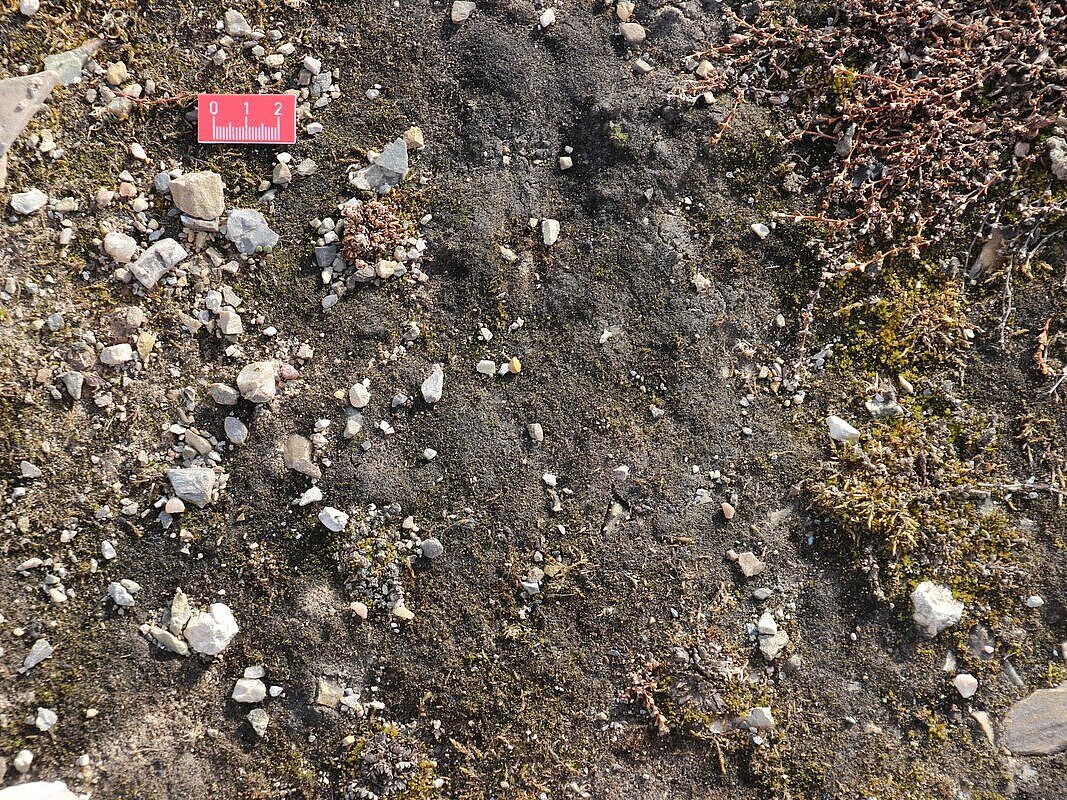
A major research priority of the working group are ecological relations and functions. The focus in terrestrial habitats are biological soil crust communities of different vegetation and climatic zones concerning their composition, biotic interactions and influence on soil nutrient cycles.
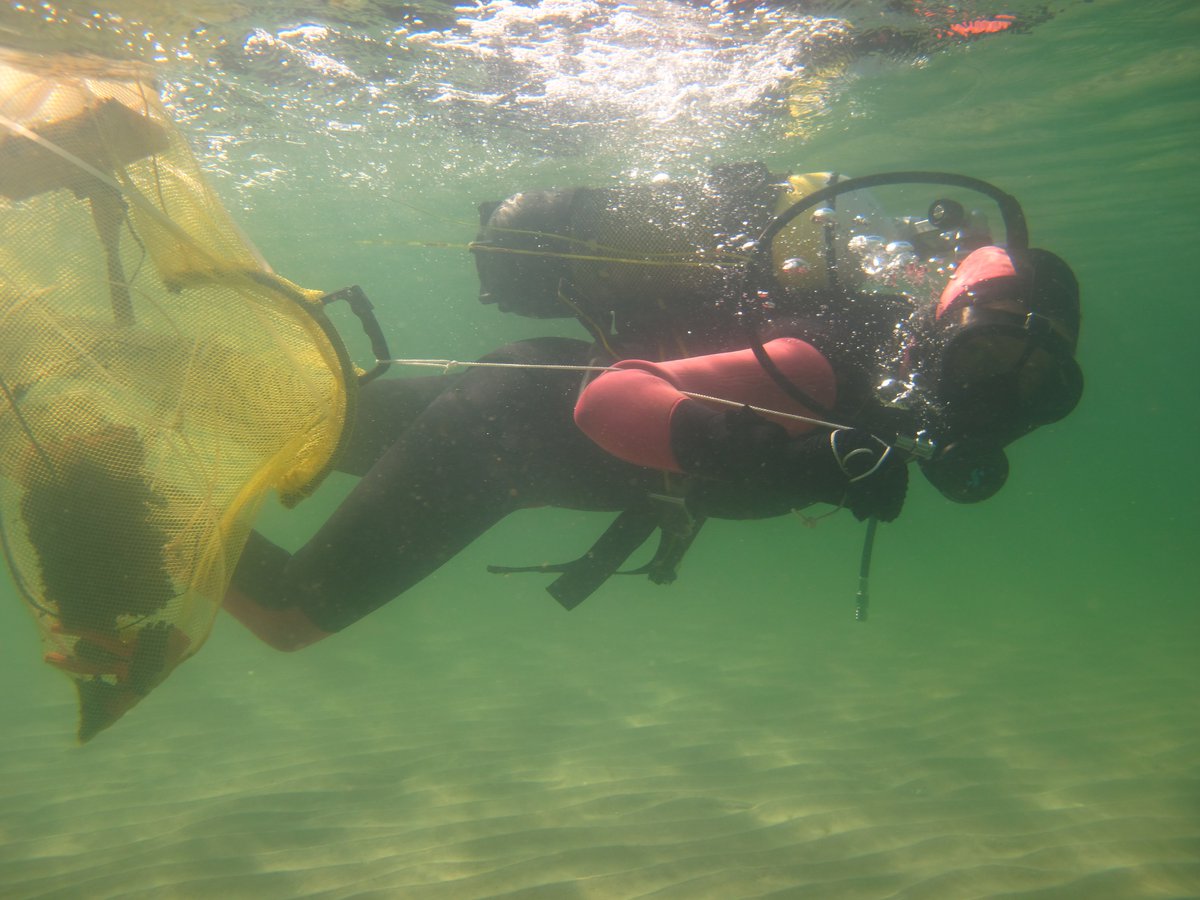
The research priority in aquatic habitats is on nutrient cycles and food-web interactions as well as on the modelling of ocean acidification. At the Darß-Zingst lagoon the focus is especially long term observation data of phytoplankton microscopy and nutrient analytics.
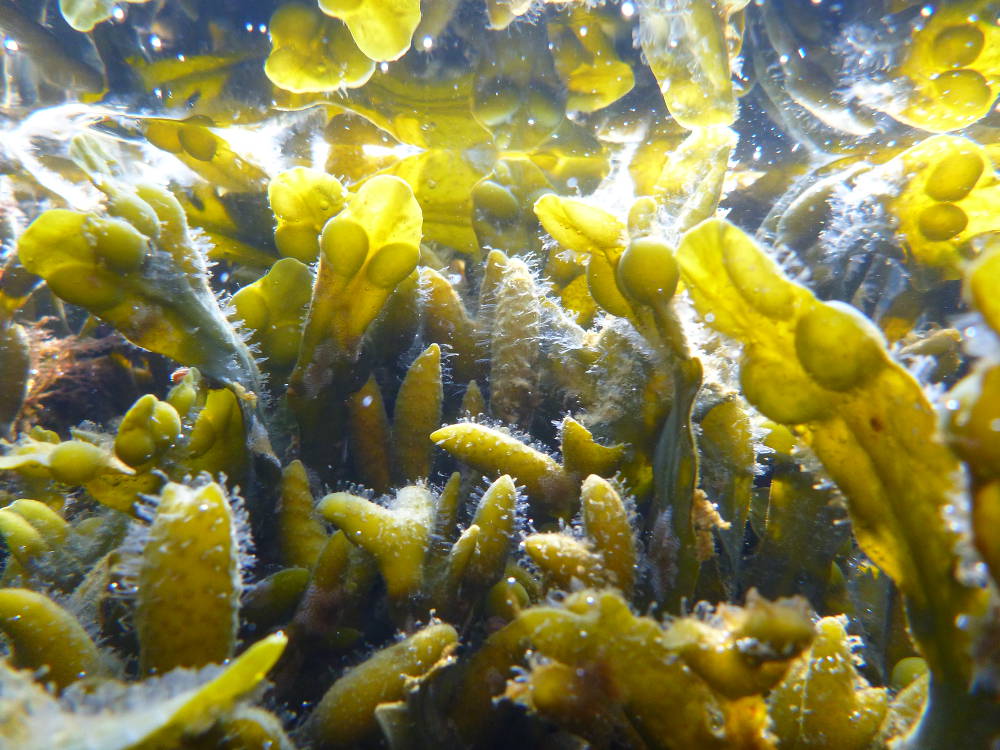
The greening of potash mining heaps with biological soil crusts and the research on the groyne destroying common shipworm Teredo navalis are current projects, which combine fundamental research with applied aspects. Furthermore, the group momentarily works for an Icelandic company on UV protection substances in microalgae.